
What Is A Bhajan Clubbing Latest GenZ Trend In India? Aakhir Kya Hai Ye Bhajan Clubbing G Z Ki pehli Pasand
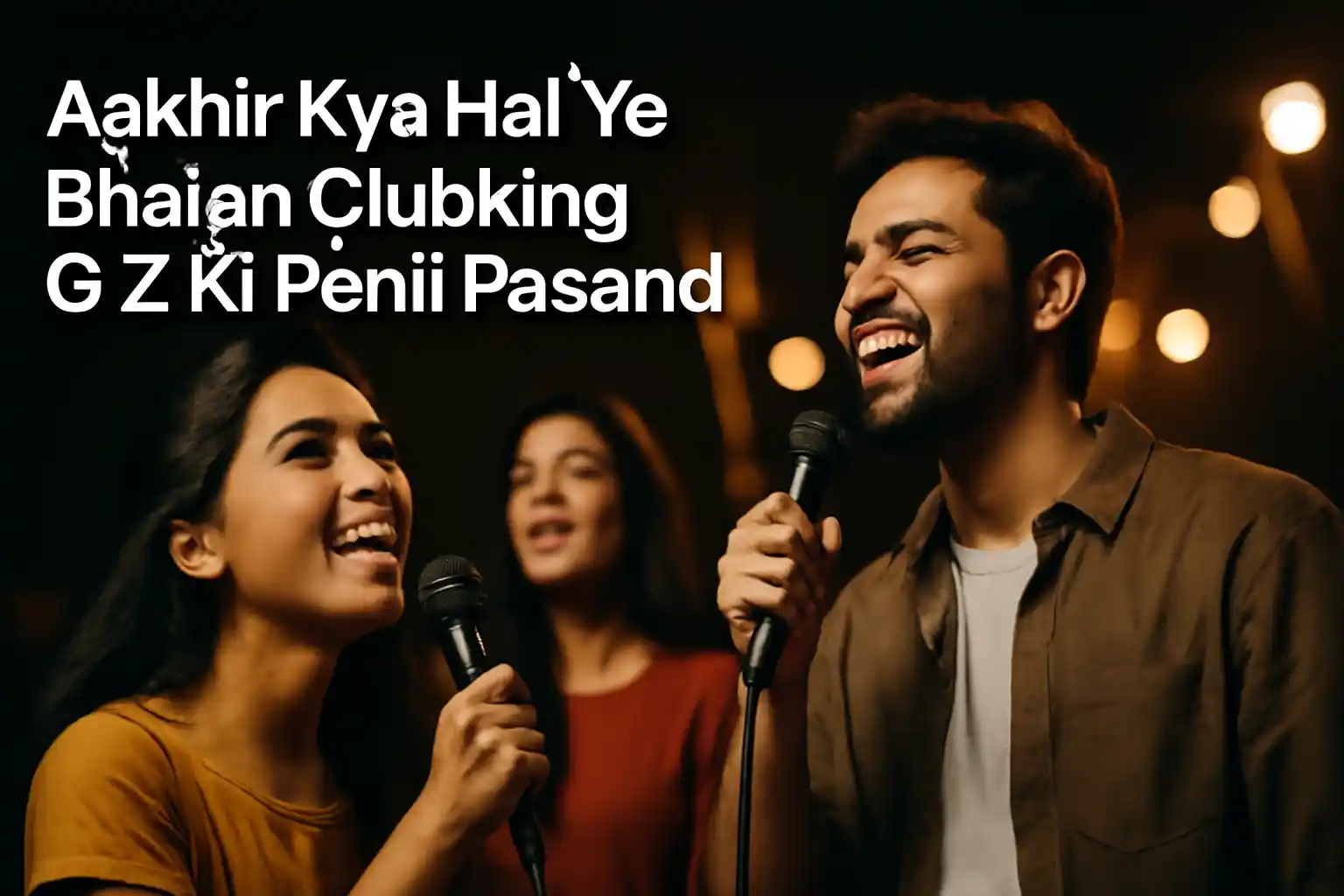
Aakhir Kya Hai Ye Bhajan Clubbing G Z Ki pehli Pasand? Bhajan clubbing is a new-age devotional music night where the setup feels like a concert—big speakers, stage lighting, LED screens, and a hyped crowd—but the words you sing are bhajans and chants, not party lyrics. . ??.
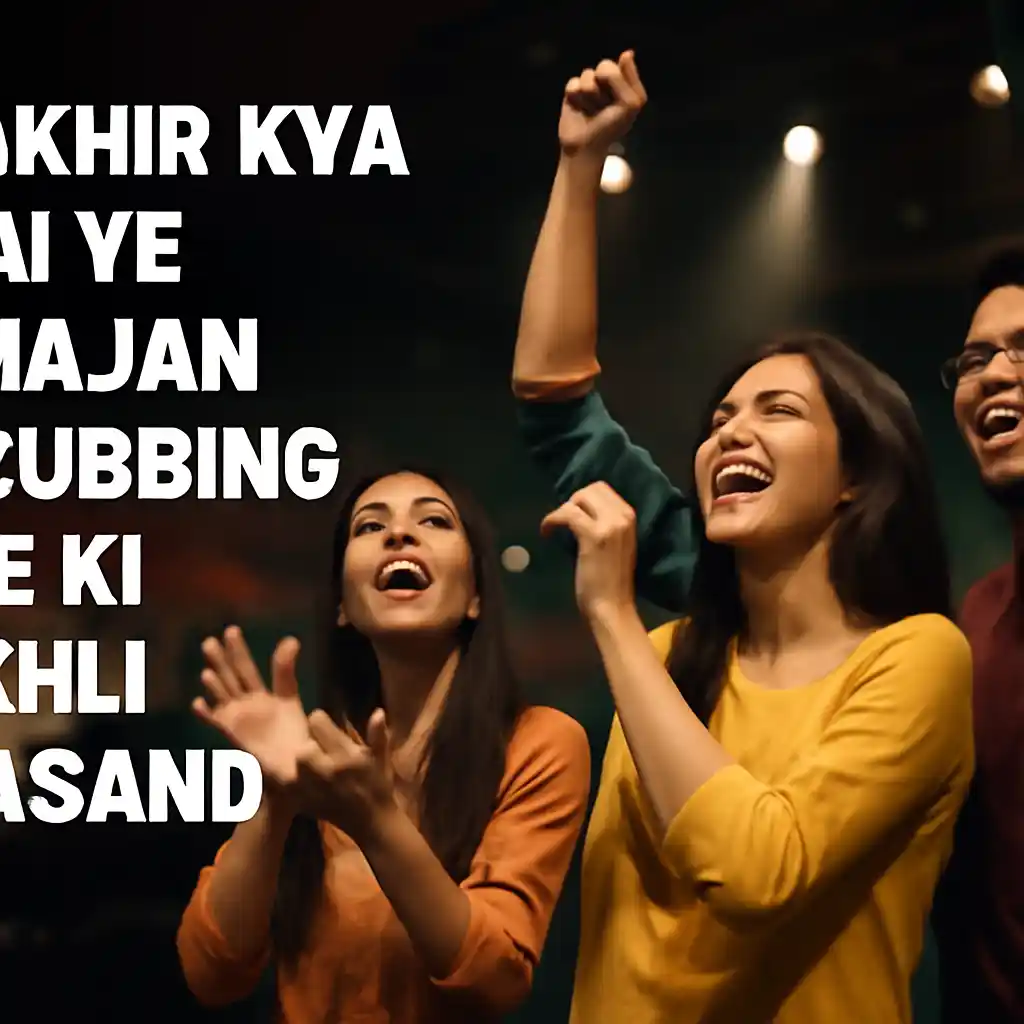
In India, especially among Gen Z, it’s catching on as a feel-good alternative to nightlife: energetic, social, and surprisingly calming at the same time. अधिक जानकारी के लिए Aakhir Kya Hai Ye Bhajan Clubbing G Z Ki pehli Pasand 11 Ultimate Best भी पढ़ें। अधिक जानकारी के लिए Aakhir Kya Hai Ye Bhajan Clubbing G Z Ki pehli Pasand 11 Ultimate Best भी पढ़ें।
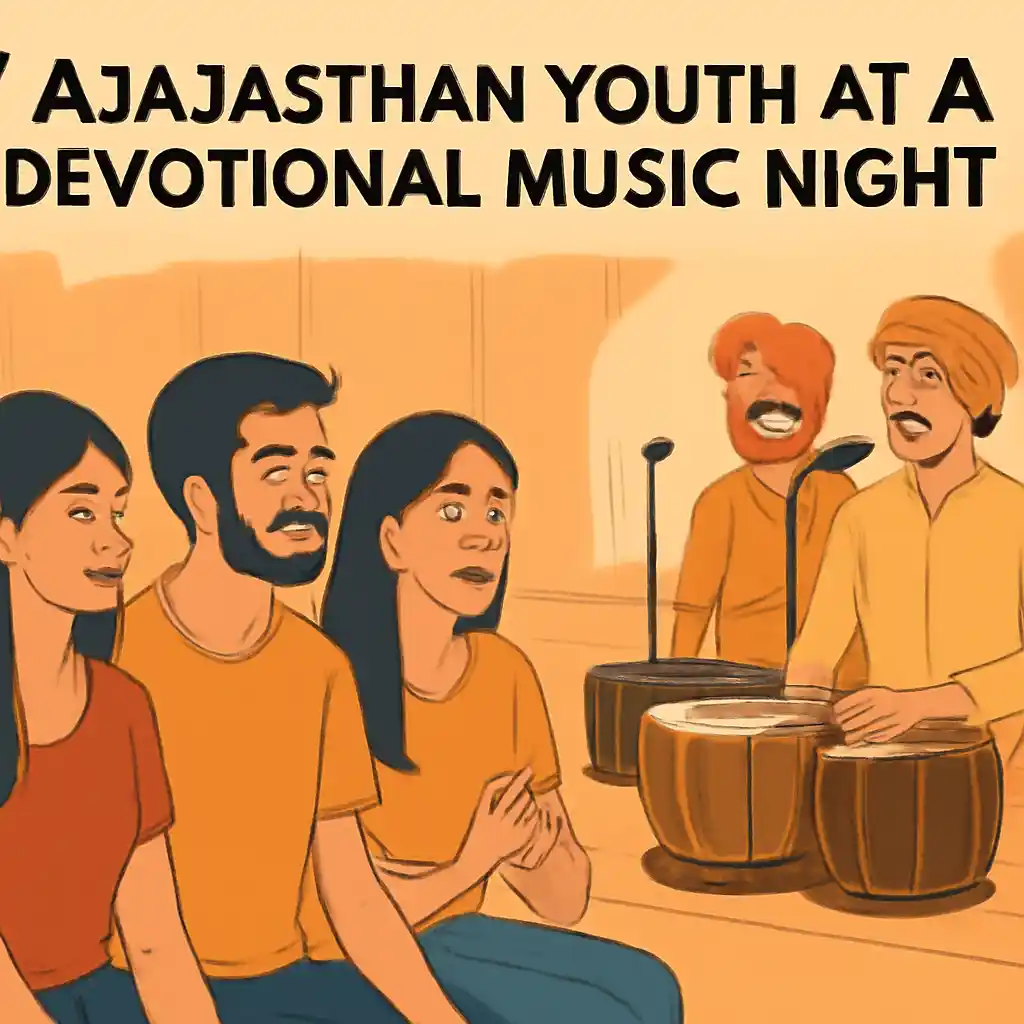
What is Bhajan Clubbing (in simple words)?
Bhajan clubbing meaning: a live devotional music event presented in a club/concert format. Think of it as a bhajan jam where the audience doesn’t just sit and listen—they sing, clap, chant, and sometimes dance. . ??. अधिक जानकारी के लिए How .ai Domain Is More Expensive What is Reson Behind It 9 Powerful Best भी पढ़ें।
Direct answer (quick definition)
Aakhir Kya Hai Ye Bhajan Clubbing G Z Ki pehli Pasand? It’s a modern bhajan night that uses contemporary stage production—lights, bass, screens, and crowd engagement—to make devotional singing feel like a live gig. The “clubbing” part refers to the vibe and format, not alcohol or a typical nightclub environment. अधिक जानकारी के लिए How .ai Domain Is More Expensive What is Reson Behind It 9 Powerful Best भी पढ़ें।
From the outside, the visuals can look like any trending music concert: phones in the air, synchronized lighting, a packed venue. The difference becomes obvious once you hear the lyrics—names of Krishna, Ram, Shiva, Devi, Ganesh, and familiar chants replacing usual club tracks. . ??. अधिक जानकारी के लिए Salary Account VS Saving Account Best For Teacher In 2026 2026 Ultimate Best भी पढ़ें।
Why Gen Z is choosing bhajan clubbing
To understand the appeal, it helps to look at what Gen Z is dealing with daily: constant comparison, pressure to perform, and a life that is always online. Bhajan clubbing gives a break from that loop—without demanding that you become a different person overnight. अधिक जानकारी के लिए Salary Account VS Saving Account Best For Teacher In 2026 2026 Ultimate Best भी पढ़ें।
1) Stress relief without isolation
A lot of young attendees describe the same pattern: life feels loud—college, internships, family expectations, and the social-media race—then an event like this creates a rare “quiet inside.” You’re still in a crowd, but the emotion is shared and regulated, not chaotic. . ??.
2) A safe, guilt-free “night out”
Not everyone enjoys alcohol-centric parties or packed clubs. Bhajan clubbing offers a third option: you can go with friends, cousins, even parents—without awkward explanations. That “family-friendly” factor is a major driver behind the trend.
3) Community and belonging (without heavy preaching)
The format usually avoids long lectures. Instead, it leans on participation—call-and-response, chorus lines everyone knows, and the simple joy of singing together. For many first-timers, that feels more welcoming than a formal setting. . ??.
4) Nostalgia + modern sound
Many Indians grew up hearing bhajans at home, in temples, or during festivals. Bhajan clubbing repackages that memory with modern audio and stagecraft, making it feel relevant rather than “only for elders.”
5) “High energy” without the next-day crash
People often compare it to concerts: the adrenaline is real. But because the environment is typically calmer and substance-free, many attendees say they leave tired yet peaceful—more like after a long garba night or a heartfelt aarti than after a club. . ??.
What actually happens at a bhajan clubbing event
If you’ve only seen Instagram clips, here’s the on-ground reality: it’s structured like a modern show, but powered by devotional participation.
Common flow of the night
- Entry + build-up: background music, crowd settling, warm lighting.
- Host interaction: artists talk to the audience, ask questions (like names of Krishna), and set the tone.
- Bhajan set: familiar bhajans and chants; the crowd starts singing along.
- Energy shift: a faster section—more claps, louder chorus, sometimes dancing.
- Close-down: a calmer finish, often with a grounding chant or aarti-style moment.
What makes it feel “club-like”
- Production value: LED screens, coordinated lighting, professional sound mixing.
- Drop-style moments: the music builds and lands into a powerful chorus the whole crowd shouts.
- Audience participation: less passive listening, more singing and chanting together.
Another detail people notice quickly: the crowd is mixed. You’ll see college students, working professionals, parents, and even grandparents—each enjoying the same playlist in their own way. . ??.
How bhajan clubbing is different from satsang, concerts, and clubs
Direct answer (40–60 words)
Aakhir Kya Hai Ye Bhajan Clubbing G Z Ki pehli Pasand compared to a satsang? A satsang is usually quieter, seated, and sermon-led. Bhajan clubbing is performance-led, high-participation, and uses concert production. Compared to clubs, it keeps a devotional core and is typically more family-friendly—focused on singing rather than intoxication.
Quick comparison
- Versus traditional satsang: less formal, more “sing-along,” more stage production.
- Versus a concert: similar energy and setup, but devotional lyrics and a calmer social tone.
- Versus a nightclub: similar late-evening outing vibe, but usually without alcohol culture and with broader age participation.
- Versus kirtan: closest cousin—yet bhajan clubbing often feels more like an event brand with curated sets and show pacing.
That “in-between space” is exactly why it’s working. Gen Z doesn’t always want extremes—neither total renunciation nor full party mode. Bhajan clubbing sits in the middle. . ??.
Rajasthan context: why it clicks in Jaipur and beyond
Rajasthan already has a strong culture of collective music—be it folk nights, garba-style community energy during festivals, or devotional singing during mela seasons. That makes bhajan clubbing feel familiar, just updated.
Why it fits the Rajasthan social rhythm
- Family outings matter: In cities like Jaipur, Jodhpur, Kota, and Udaipur, young adults often prefer plans that can include cousins or family without friction.
- Devotion is public, not hidden: Temple culture and festival culture normalize singing and chanting in groups.
- Students + coaching hubs: Places like Kota carry intense academic pressure; a “safe release” event naturally appeals to students who want community without risky nightlife.
If you’ve ever seen a packed temple during aarti in Rajasthan, you already understand the emotional engine behind this trend. Bhajan clubbing just gives it a stage, a playlist arc, and a modern live sound. . ??.
Benefits, concerns, and what to watch out for
Potential benefits people report
- Mood reset: a calmer mind after a high-energy sing-along.
- Social connection: meeting friends in a setting that doesn’t feel performative.
- Identity comfort: enjoying spirituality without feeling “too old” or “too serious.”
- Cross-generational bonding: it’s rare to find events where a parent and a teen can enjoy the same songs together.
Concerns to keep in mind
- Over-commercialization: when the show becomes only aesthetics and loses sincerity.
- Event management: crowd entry and queues can get messy at popular venues; check organiser credibility.
- Political branding: some events may be tied to campus politics or public campaigns. That doesn’t automatically make the music “bad,” but it can change the vibe.
- Sound levels: bring ear protection if you’re sensitive—concert-grade systems can be loud.
The healthiest way to approach it is simple: go for the music and the shared experience, but stay alert to who is organising it, how safe the venue feels, and whether the environment matches your comfort.
First-timer guide: what to wear, carry, and expect
What to wear
- Comfort first: breathable clothes; you may stand for long periods.
- Footwear: comfortable shoes over heels—light dancing and jumping can happen.
- Keep it respectful: no strict dress code at most events, but avoid outfits that distract in a devotional setting.
What to carry
- Phone with ticket QR code and enough battery
- Water bottle (if allowed by venue rules)
- A light layer for AC indoor venues
- Earplugs if you prefer lower sound exposure
Etiquette that keeps it enjoyable
- If others are chanting, avoid loud talking during the softer sections.
- Record a few clips, but don’t watch the whole show through your screen.
- Let people participate differently—some will dance, some will close their eyes and sing quietly.
Most importantly, don’t overthink it. If the phrase Aakhir Kya Hai Ye Bhajan Clubbing G Z Ki pehli Pasand brought you here, you’re exactly the audience these events are designed for: curious, open, and looking for something that feels both fun and meaningful. . ??.
FAQs
Aakhir Kya Hai Ye Bhajan Clubbing G Z Ki pehli Pasand—simple meaning?
It’s a modern devotional music event where bhajans are performed in a concert-style setup (lights, strong sound, audience interaction). The mood is high-energy like a gig, but the content stays spiritual—often focused on Krishna, Ram, Shiva, or Devi.
Is bhajan clubbing a religious event or just a music show?
It’s both. The structure feels like a music show, but the purpose is devotional: singing, chanting, and shared faith-based emotion. Many people attend for peace, community, and a wholesome night out rather than for partying. . ??.
Do you have to be very religious to attend?
No. Many first-timers go out of curiosity, for the music, or because friends shared Reels. You can participate as much as you’re comfortable—sing along, stand quietly, or just listen.
Is it similar to kirtan?
It overlaps with kirtan because there’s repetition, chanting, and call-and-response. The difference is presentation: bhajan clubbing usually uses concert production, tighter sets, and a ‘drop’ style energy shift that feels closer to a live gig.
Is bhajan clubbing safe and family-friendly?
Typically, yes—many events are designed as all-age experiences, with families and friend groups attending together. Still, safety depends on the organiser: check venue security, entry management, and official ticketing before you go.
Why is Gen Z choosing this over clubs or concerts?
Because it offers social connection without the pressure of alcohol-centric nightlife, plus it feels emotionally regulating. Many Gen Z attendees describe it as a healthier way to release stress—high energy without the ‘next day’ crash.
What should I wear and carry for a bhajan clubbing event?
Wear comfortable clothes and shoes—standing and light dancing is common. Carry a water bottle if allowed, a light layer for AC venues, and keep your phone charged for QR tickets. If you’re sensitive to loud sound, consider earplugs.
Quick summary
Aakhir Kya Hai Ye Bhajan Clubbing G Z Ki pehli Pasand? It’s devotional music presented with concert-level energy and production, designed for high participation and a modern crowd. The trend is growing through Instagram and campus culture because it offers connection, stress relief, and a genuinely family-friendly night out. If you want to understand it, don’t overanalyse—attend once and see what it does to your mood.
संबंधित लेख
इस विषय पर और उपयोगी जानकारी के लिए ये लेख भी पढ़ें:

How Instagram Reels made it mainstream
Bhajan clubbing didn’t spread through posters on walls; it spread through phones.
Short Reels showed just enough to trigger curiosity: a stadium-like setup, young people singing, and a vibe that looked like a concert. For many attendees, the first discovery point was a Reel shared by a friend—followed by classic FOMO: “If everyone’s going, what am I missing?” . ??.
Creators and performers such as Backstage Siblings became visible in this space, using high-quality edits to make devotional music feel contemporary without changing its essence.
As the trend grew, it also entered mainstream conversation, including mentions in public discourse (for example, in the broader cultural commentary seen on platforms like Man Ki Baat). . ??.